
Shoulder
Dr. Najarian is a board-certified orthopedic and sports medicine surgeon offering comprehensive care for knee, shoulder, and elbow conditions. He specializes in sports injury treatment, advanced arthroscopic procedures, ligament reconstruction, and helping patients return to their active lifestyles.
-
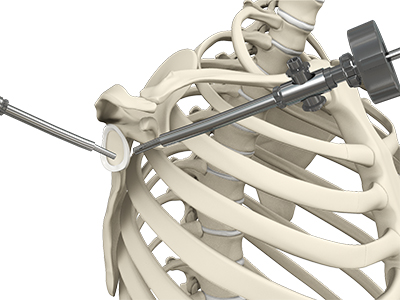
Shoulder Arthroscopy
Arthroscopy is a minimally invasive diagnostic and surgical procedure performed for joint problems. Shoulder arthroscopy is performed using a pencil-sized instrument called an arthroscope.
-
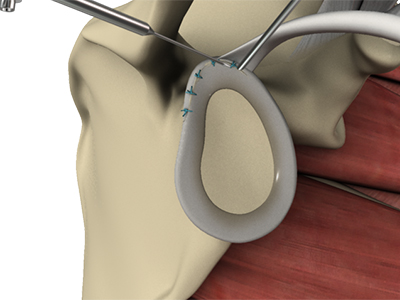
SLAP Repair
A SLAP repair is an arthroscopic shoulder procedure to treat a specific type of injury to the labrum called a SLAP tear.
-
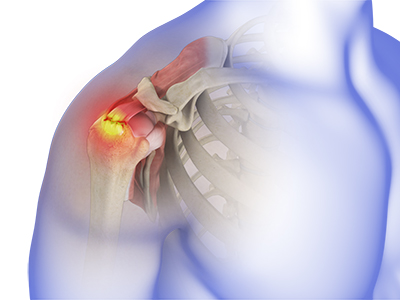
Rotator Cuff Repair
Rotator cuff repair is a surgery to repair an injured or torn rotator cuff. It is usually performed arthroscopically on an outpatient basis. An arthroscope, a small, fiber-optic instrument consisting of a lens, light source, and video camera.
-
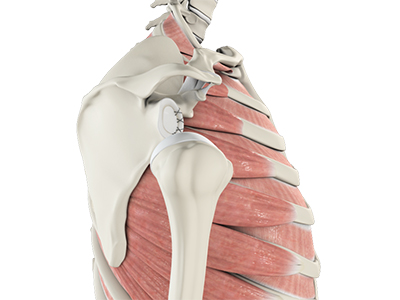
Shoulder Labrum Reconstruction
Traumatic injury to the shoulder or overuse of the shoulder by excessive throwing or weightlifting can cause a labral tear. In addition, the aging process may weaken the labrum, leading to injury secondary to wear and tear.
-
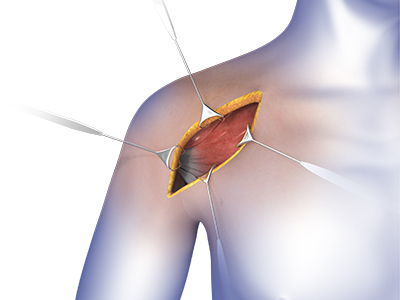
Shoulder Surgery
Shoulder surgery is a surgical procedure for the treatment of a shoulder injury or shoulder condition. The procedure involves repairing a diseased, damaged, or degenerated shoulder joint in order to eliminate pain and restore normal shoulder function.
-
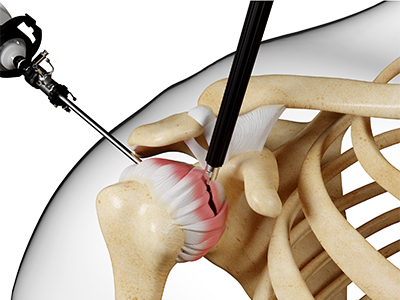
Shoulder Stiffness Surgery
Shoulder stiffness surgery is a procedure performed to restore movement in a shoulder that has become severely stiff and restricted.
-
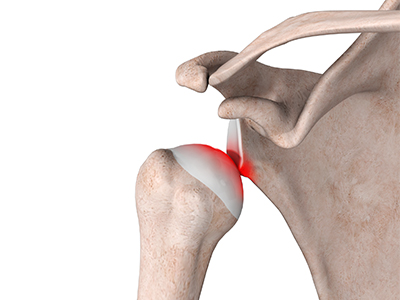
Shoulder Stabilization
Shoulder instability is a chronic condition that causes frequent dislocation of the shoulder joint. A dislocation occurs when the end of the humerus (the ball portion) partially or completely dislocates from the glenoid (the socket portion) of the shoulder.
-
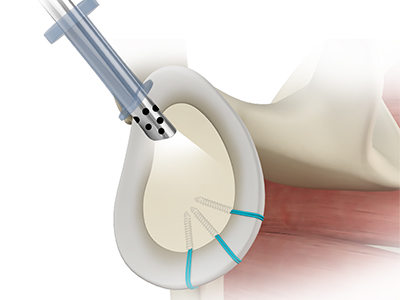
Shoulder Reconstruction Surgery
Shoulder reconstruction surgery is an operative procedure in which stretched or torn soft-tissue structures that surround the shoulder joint such as the capsule, ligaments, and cartilage, are repaired to secure the shoulder joint in place.
-
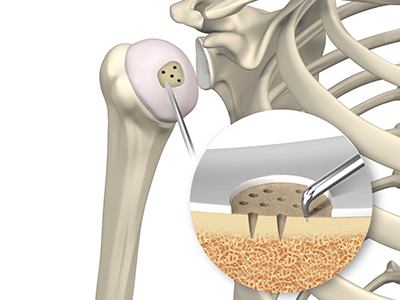
Shoulder Preservation Surgery
Shoulder preservation surgery is any surgical procedure that is aimed at preserving the structure and function of the shoulder. It may be a good option when non-surgical treatments fail to relieve shoulder symptoms as it is less invasive than shoulder joint replacement surgery.
-
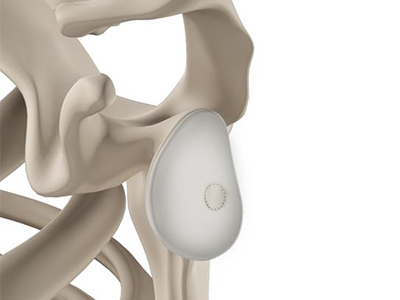
Shoulder Cartilage Restoration
Shoulder cartilage restoration refers to a group of procedures aimed at repairing or regenerating damaged cartilage in the shoulder joint, especially the glenohumeral (ball-and-socket) joint.
-
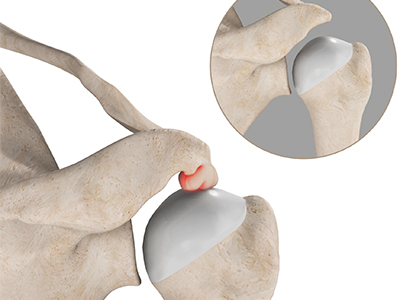
Subacromial Decompression
Subacromial decompression is a surgical procedure performed for the treatment of a condition called shoulder impingement. In shoulder impingement, the degree of space between the rotator cuff tendon and shoulder blade is decreased due to irritation and swelling of the bursa or due to development of bone spurs.
-
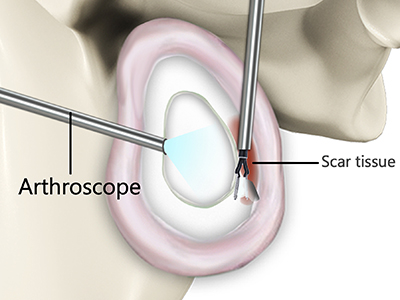
Capsular Release
A capsular release of the shoulder is surgery performed to release a tight and stiff shoulder capsule, a condition called frozen shoulder or adhesive capsulitis. The procedure is usually performed arthroscopically through keyhole-size incisions.
-
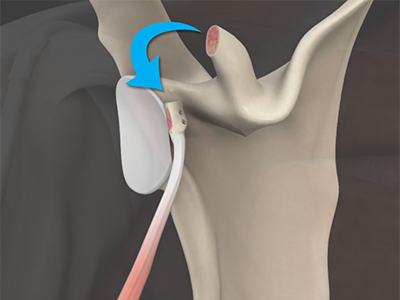
Latarjet Procedure
The shoulder joint provides a wide range of movement to the upper extremity, but overuse or trauma can cause instability to the joint. The Latarjet procedure is a surgical procedure performed to treat shoulder instability by relocating a piece of bone with an attached tendon to the shoulder joint.
-
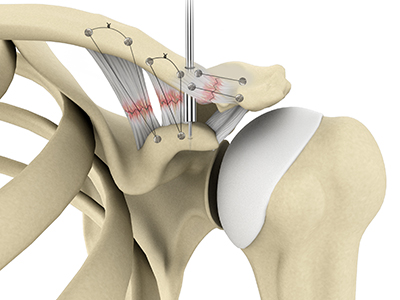
AC Joint Repair
AC joint repair is a surgical procedure performed to repair damaged or torn ligaments and tendons of the acromioclavicular (AC) joint. Depending on the severity of the injury, the surgery can be done through tiny keyhole incisions arthroscopically, or as open surgery through a relatively larger skin incision.
-
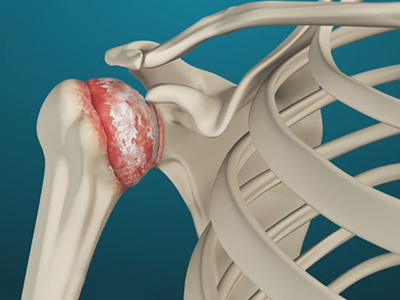
Arthritis of the Shoulder
The term arthritis literally means inflammation of a joint but is generally used to describe any condition in which there is damage to the cartilage. Damage of the cartilage in the shoulder joint causes shoulder arthritis. Inflammation is the body's natural response to injury.
-
Rotator Cuff Tear
The rotator cuff is a group of tendons in the shoulder joint that provides support and enables a wide range of motion. A major injury to these tendons may result in rotator cuff tears. It is one of the most common causes of shoulder pain in middle-aged and older individuals.
-
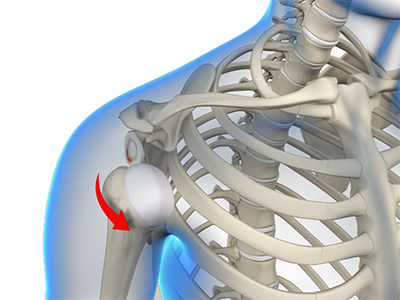
Shoulder Instability
Shoulder instability is a chronic condition that causes frequent dislocation of the shoulder joint.
-
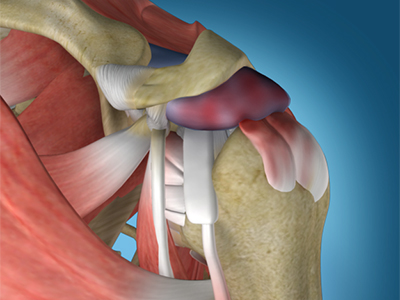
Shoulder Impingement
The shoulder is a ball-and-socket joint. The ball-shaped end of the upper arm bone (humerus) fits neatly into a socket, called the glenoid, which is part of the shoulder blade or scapula.
-
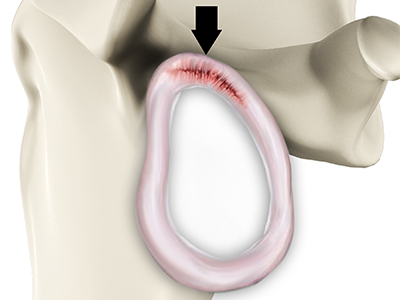
SLAP Tears
The term SLAP (superior-labrum anterior-posterior) lesion or SLAP tear refers to an injury of the superior labrum of the shoulder.
-
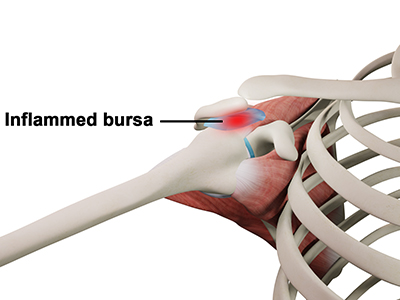
Shoulder Bursitis
Shoulder bursitis, also known as subacromial bursitis, is a condition characterized by pain and inflammation in the bursa of the shoulder. The bursa is a fluid-filled sac present between the bone and soft tissue that acts as a cushion and helps to reduce friction during movement.
-
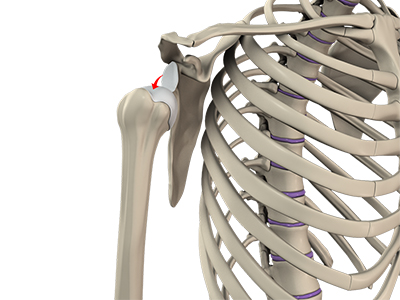
Shoulder Dislocation
Sports that involve overhead movements and repeated use of the shoulder at your workplace may lead to sliding of the upper arm bone from the glenoid. The dislocation might be a partial dislocation (subluxation) or a complete dislocation causing pain and shoulder joint instability.
-
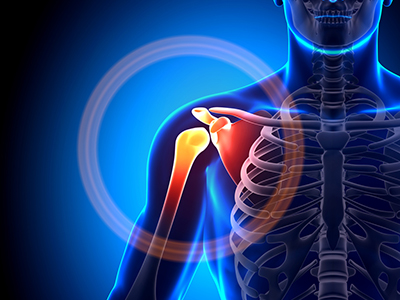
Shoulder Disorders
The shoulder is the most flexible joint in the body that enables a wide range of movements. Aging, trauma or sports activities can cause injuries and disorders that can range from minor sprains or strains to severe shoulder trauma.
-
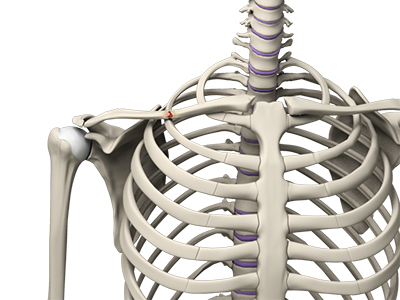
Clavicle Fracture
The break or fracture of the clavicle (collarbone) is a common sports injury associated with contact sports such as football and martial arts, as well as impact sports such as motor racing.
-
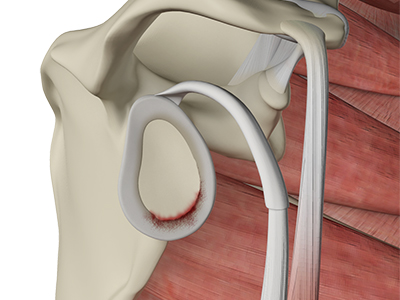
Shoulder Labral Tear
Traumatic injury to the shoulder or overuse of the shoulder (throwing, weightlifting) may cause the labrum to tear. In addition, aging may weaken the labrum leading to injury.
-
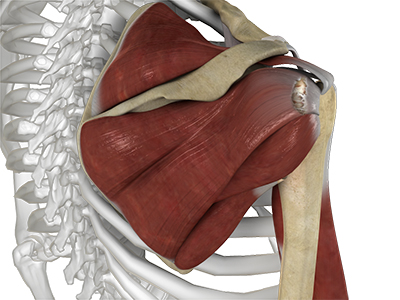
Shoulder Ligament Injuries
Shoulder ligament injuries are injuries to the tough elastic tissues present around the shoulder that connect bones to each other and stabilize the joint.
-
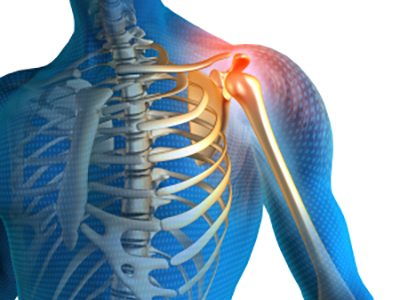
Shoulder Pain
Pain in the shoulder may suggest an injury, which is more common in athletes participating in sports such as swimming, tennis, pitching, and weightlifting. The injuries are caused due to the over usage or repetitive motion of the arms.
-
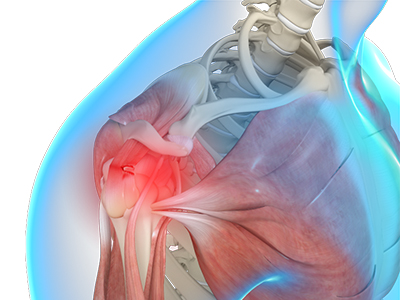
Shoulder Trauma
Shoulder injuries most commonly occur in athletes participating in sports such as swimming, tennis, pitching, and weightlifting. The injuries are caused due to the over usage or repetitive motion of the arms.
-
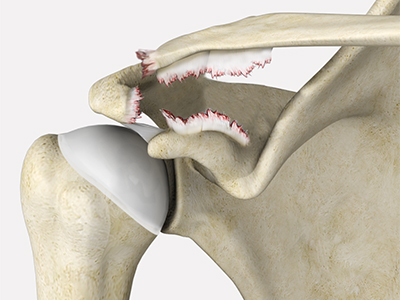
AC Joint Separation
AC joint separation, also known as shoulder separation, is a condition characterized by damage to the ligaments that connect the acromion to the collar bone. As a result, the bones do not line up properly, causing joint pain and instability.
-
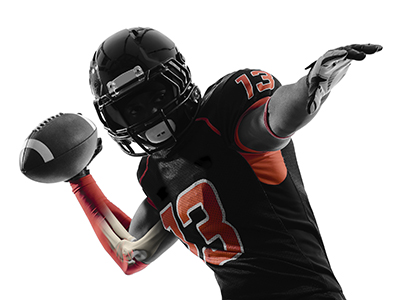
Throwing Injuries of the Shoulder
Throwing injuries of the shoulder are injuries sustained as a result of trauma by athletes during sports activities that involve repetitive overhand motions of the arm as in baseball, American football, volleyball, rugby, tennis, track and field events, etc.
What is the Anatomy of the Shoulder?
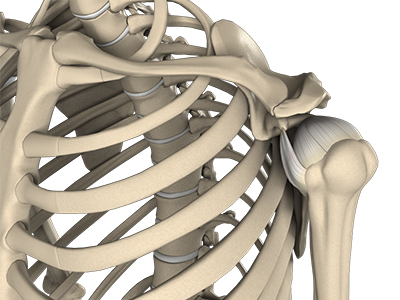
The shoulder is the most flexible joint in the body that enables a wide range of movements including forward flexion, abduction, adduction, external rotation, internal rotation, and 360-degree circumduction. Thus, the shoulder joint is considered the most insecure joint of the body, but the support of ligaments, muscles, and tendons function to provide the required stability.
Bones of the Shoulder
The shoulder joint is a ball and socket joint made up of three bones, namely the humerus, scapula, and clavicle.
Humerus
The end of the humerus or upper arm bone forms the ball of the shoulder joint. An irregular shallow cavity in the scapula called the glenoid cavity forms the socket for the head of the humerus to fit in. The two bones together form the glenohumeral joint, which is the main joint of the shoulder.
Scapula and Clavicle
The scapula is a flat triangular-shaped bone that forms the shoulder blade. It serves as the site of attachment for most of the muscles that provide movement and stability to the joint. The scapula has four bony processes - acromion, spine, coracoid process, and glenoid cavity. The acromion and coracoid process serve as places for attachment of the ligaments and tendons.
The clavicle bone or collarbone is an S-shaped bone that connects the scapula to the sternum or breastbone. It forms two joints: the acromioclavicular joint, where it articulates with the acromion process of the scapula and the sternoclavicular joint where it articulates with the sternum (breast bone). The clavicle also forms a protective covering for important nerves and blood vessels that pass under it from the spine to the arms.
Robert Najarian, M.D.
Dr. Najarian is board-certified in orthopedic surgery and sports medicine. With additional fellowship training in sports medicine and more than 18 years of experience, he specializes in treating the knee, shoulder, and elbow, as well as all sports-related injuries. His area of focus is in the treatment of knee cartilage and ligamentous injury, shoulder instability and rotator cuff repair, and elbow injuries in the throwing athlete (Tommy John Surgery). He has been named a Washingtonian Top Doctor since 2016.
Soft Tissues of the Shoulder
The ends of all articulating bones are covered by smooth tissue called articular cartilage, which allows the bones to slide over each other without friction, enabling smooth movement. Articular cartilage reduces pressure and acts as a shock absorber during movement of the shoulder bones. Extra stability to the glenohumeral joint is provided by the glenoid labrum, a ring of fibrous cartilage that surrounds the glenoid cavity. The glenoid labrum increases the depth and surface area of the glenoid cavity to provide a more secure fit for the half-spherical head of the humerus.
Ligaments of the Shoulder
Ligaments are thick strands of fibers that connect one bone to another. The ligaments of the shoulder joint include:
- Coracoclavicular ligaments: These ligaments connect the collarbone to the shoulder blade at the coracoid process.
- Acromioclavicular ligament: This connects the collarbone to the shoulder blade at the acromion process.
- Coracoacromial ligament: It connects the acromion process to the coracoid process.
- Glenohumeral ligaments: A group of 3 ligaments that form a capsule around the shoulder joint and connect the head of the arm bone to the glenoid cavity of the shoulder blade. The capsule forms a watertight sac around the joint. Glenohumeral ligaments play a very important role in providing stability to the otherwise unstable shoulder joint by preventing dislocation.
Muscles of the Shoulder
The rotator cuff is the main group of muscles in the shoulder joint and is comprised of 4 muscles. The rotator cuff forms a sleeve around the humeral head and glenoid cavity, providing additional stability to the shoulder joint while enabling a wide range of mobility. The deltoid muscle forms the outer layer of the rotator cuff and is the largest and strongest muscle of the shoulder joint.
Tendons of the Shoulder
Tendons are strong tissues that join muscle to bone allowing the muscle to control the movement of the bone or joint. Two important groups of tendons in the shoulder joint are the biceps tendons and rotator cuff tendons.
Bicep tendons are the two tendons that join the bicep muscle of the upper arm to the shoulder. They are referred to as the long head and short head of the bicep.
Rotator cuff tendons are a group of four tendons that join the head of the humerus to the deeper muscles of the rotator cuff. These tendons provide more stability and mobility to the shoulder joint.
Nerves of the Shoulder
Nerves carry messages from the brain to muscles to direct movement (motor nerves) and send information about different sensations such as touch, temperature, and pain from the muscles back to the brain (sensory nerves). The nerves of the arm pass through the shoulder joint from the neck. These nerves form a bundle at the region of the shoulder called the brachial plexus. The main nerves of the brachial plexus are the musculocutaneous, axillary, radial, ulnar and median nerves.
Blood Vessels of the Shoulder
Blood vessels travel along with the nerves to supply blood to the arms. Oxygenated blood is supplied to the shoulder region by the subclavian artery that runs below the collarbone. As it enters the region of the armpit, it is called the axillary artery and further down the arm, it is called the brachial artery.
The main veins carrying de-oxygenated blood back to the heart for purification include:
- Axillary vein: This vein drains into the subclavian vein.
- Cephalic vein: This vein is found in the upper arm and branches at the elbow into the forearm region. It drains into the axillary vein.
- Basilic vein: This vein runs opposite the cephalic vein, near the triceps muscle. It drains into the axillary vein.
Shoulder Educational Videos
If you wish to be advised on the most appropriate treatment, please call (571) 472-6464(571) 472-6464 to schedule an appointment or click here to request an appointment online.