Shoulder Arthroscopy
Shoulder Arthroscopy in Fairfax and Arlington, VA
Shoulder arthroscopy is a minimally invasive surgical procedure used to diagnose and treat shoulder injuries and conditions affecting the cartilage, tendons, ligaments, and other structures of the shoulder joint. For patients experiencing persistent shoulder pain, stiffness, instability, or limited mobility, this procedure may help address the underlying problem when nonsurgical treatments are unsuccessful. Dr. Robert Najarian, a board-certified orthopedic surgeon specializing in orthopedic sports medicine, provides orthopedic care for shoulder conditions in Fairfax and Arlington, Virginia. Treatment recommendations are tailored to each patient's diagnosis, symptoms, and functional goals.
What is Shoulder Arthroscopy?
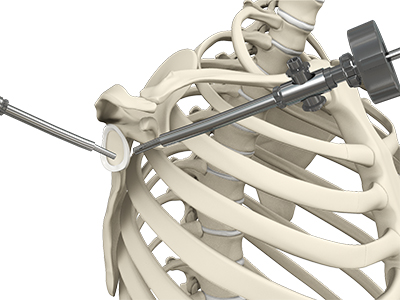
Arthroscopy is a minimally invasive diagnostic and surgical procedure performed for joint problems. Shoulder arthroscopy is performed using a pencil-sized instrument called an arthroscope. The arthroscope consists of a light system and camera that projects images of the surgical site onto a computer screen for your doctor to clearly view. Arthroscopy is used to treat disease conditions and injuries involving the bones, cartilage, tendons, ligaments, and muscles of the shoulder joint.
Robert Najarian, M.D.
Dr. Najarian is board-certified in orthopedic surgery and sports medicine. With additional fellowship training in sports medicine and more than 18 years of experience, he specializes in treating the knee, shoulder, and elbow, as well as all sports-related injuries. His area of focus is in the treatment of knee cartilage and ligamentous injury, shoulder instability and rotator cuff repair, and elbow injuries in the throwing athlete (Tommy John Surgery). He has been named a Washingtonian Top Doctor since 2016.
What are the Indications for Shoulder Arthroscopy?
Shoulder arthroscopy is indicated to treat the following shoulder conditions when conservative treatment such as medication and therapy fail to relieve pain and disability:
- Shoulder impingement
- Rotator cuff tear
- Frozen shoulder or stiffness of the shoulder joint
- Shoulder instability
- Biceps rupture
- Damaged cartilage or ligaments
- Bone spurs or bony projections
- Arthritis of the collarbone
What is the Procedure for Shoulder Arthroscopy?
Your surgeon performs shoulder arthroscopy under general or regional anesthesia. You may be positioned lying down on your side with your arm propped up or sitting in a semi-seated position. Sterile fluid is injected into the shoulder joint to expand the surgical area, so your surgeon has a clear view of the damage and room to work. A button-sized hole is made in the shoulder and the arthroscope is inserted. Your surgeon can view images captured by the camera in the arthroscope on a large monitor. Surgical instruments are introduced into the joint through separate small holes to remove and repair the damage to the joint. After surgery, the instruments are removed, and the incisions are closed with stitches or small sterile bandage strips.
What Does Postoperative Care for Shoulder Arthroscopy Involve?
After the surgery, the small surgical wounds take a few days to heal and the surgical dressing is replaced by simple Band-Aids. The recovery time depends on the type and extent of the problem for which the procedure was performed. Pain medications are prescribed to keep you comfortable. The arm of the affected shoulder is placed in a sling for a short period. Physical therapy is advised to improve shoulder mobility and strength after the surgery.
What are the Advantages of Shoulder Arthroscopy?
The advantages of arthroscopy compared to open surgery with a large incision include:
- Less pain
- Fewer complications
- Shorter hospital stays
- Faster recovery
What are the Risks and Complications of Shoulder Arthroscopy?
Complications of shoulder arthroscopy include infection, bleeding, damage to nearby nerves or blood vessels, or delayed healing after the surgery. In certain cases, stiffness of the shoulder joint may occur after the surgery. It is important to participate actively in your physical therapy to prevent this from occurring.
Why Choose Dr. Najarian for Shoulder Arthroscopy in Fairfax and Arlington, VA?
- Board-Certified Orthopedic Surgeon: Dr. Najarian is board-certified in Orthopedic Surgery and Orthopedic Sports Medicine, with specialized training in treating musculoskeletal conditions and sports-related injuries.
- Advanced Sports Medicine Training: His fellowship training at Cleveland Clinic Sports Health supports his expertise in evaluating and treating orthopedic injuries.
- Individualized Treatment Planning: Shoulder treatment recommendations are based on the patient's condition, severity of symptoms, activity level, and response to conservative care.
- Focus on Shoulder Function: Care aims to address the underlying cause of shoulder pain and help patients work toward improved mobility, strength, and daily function.
- Convenient Northern Virginia Locations: Patients can access orthopedic and sports medicine care at Inova Sports Medicine locations in Fairfax and Arlington.
Shoulder Arthroscopy FAQs
Shoulder arthroscopy may be used to treat rotator cuff tears, shoulder impingement, shoulder instability, certain cartilage and ligament injuries, biceps tendon problems, bone spurs, and some causes of shoulder stiffness. The appropriate procedure depends on the specific diagnosis and the severity of the condition.
Recovery varies depending on the condition being treated and whether the procedure involves repairing tendons or other structures. Some patients resume light activities within a few weeks, while more extensive repairs may require several months of rehabilitation. Following postoperative instructions and participating in physical therapy can support recovery.
Shoulder arthroscopy uses small incisions and a camera to examine and treat problems inside the joint. It may result in less soft-tissue disruption and smaller scars than some open procedures. However, arthroscopy is not appropriate for every shoulder condition, and the best surgical approach depends on the patient's diagnosis and treatment needs.
Physical therapy is commonly recommended after shoulder arthroscopy to help restore range of motion, improve strength, and support functional recovery. The timing and intensity of rehabilitation depend on the procedure performed. Patients who undergo tendon or ligament repair may need to follow a more gradual rehabilitation plan.
Potential risks include infection, bleeding, nerve or blood vessel injury, persistent pain, stiffness, delayed healing, and complications related to anesthesia. Although shoulder arthroscopy is generally considered safe, individual risks vary. Your surgeon can explain the potential benefits and complications based on your condition.
Shoulder arthroscopy may be considered when persistent pain, instability, or restricted movement does not improve with appropriate nonsurgical treatments, such as medication, activity modification, or physical therapy. An orthopedic evaluation can help determine whether surgery is appropriate or whether other treatment options should be considered.
Schedule a Shoulder Arthroscopy Consultation in Fairfax or Arlington, VA
If shoulder pain, stiffness, or instability is interfering with your daily activities, an orthopedic evaluation can help identify the cause and determine the most appropriate treatment. Dr. Robert Najarian provides orthopedic and sports medicine care at Inova Sports Medicine in Fairfax and Arlington, Virginia. Contact the practice to discuss your symptoms, explore treatment options, and determine whether shoulder arthroscopy may be appropriate for your needs.